











Designed in 45 Minutes
What finding our work inside another agency’s AI workshop campaign revealed about originality and creative ethics.



WHAT HAPPENS WHEN YOUR WORK BECOMES SOMEONE ELSE’S AI PROMPT?
HOW MUCH RESPONSIBILITY CAN WE OUTSOURCE TO A TOOL?
WHAT DOES “STEAL LIKE AN ARTIST” MEAN IN THE AGE OF AI?
FASTER DOESN’T ALWAYS MEAN MORE CREATIVE
The internet is impossibly vast, and yet somehow unbearably intimate. Every day, we move through an endless current of targeted messaging, manufactured aesthetics, algorithmic persuasion and digital noise — all competing for fragments of our attention. As someone who works in branding and creative direction, staying connected to that ecosystem is part of my job. Over time, I've also found myself instinctively pulling away from it out of sheer exhaustion.
Which is why, on an otherwise ordinary Friday afternoon, when my business partner called me over to her desk and told me to brace myself before looking at something on her Instagram feed, I wasn't prepared for what I was about to see.
At first, I genuinely thought she was showing me our own work — the hero video from our newly rebranded LOLO website, featuring the two of us sitting together on a couch.
Except it wasn't us anymore.

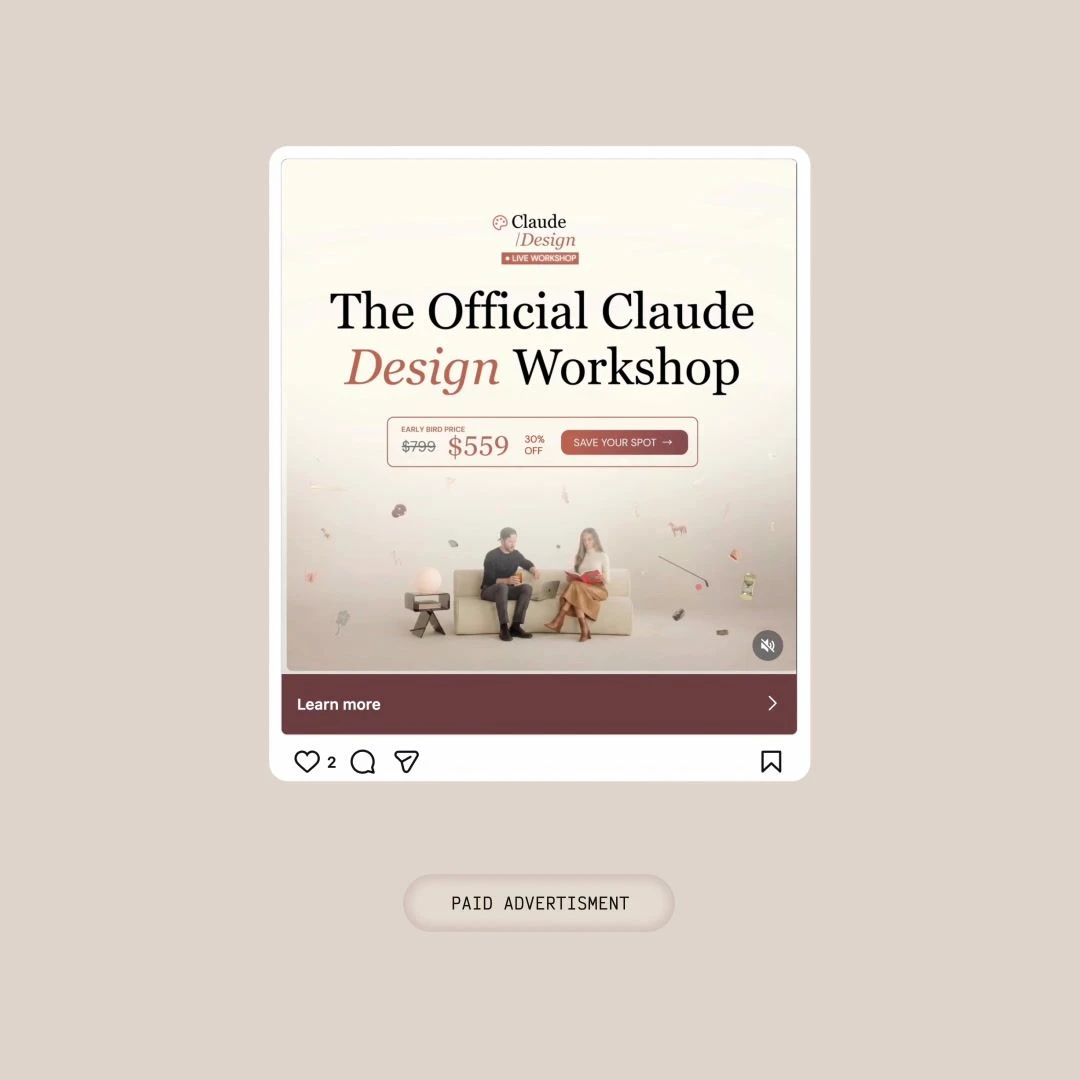
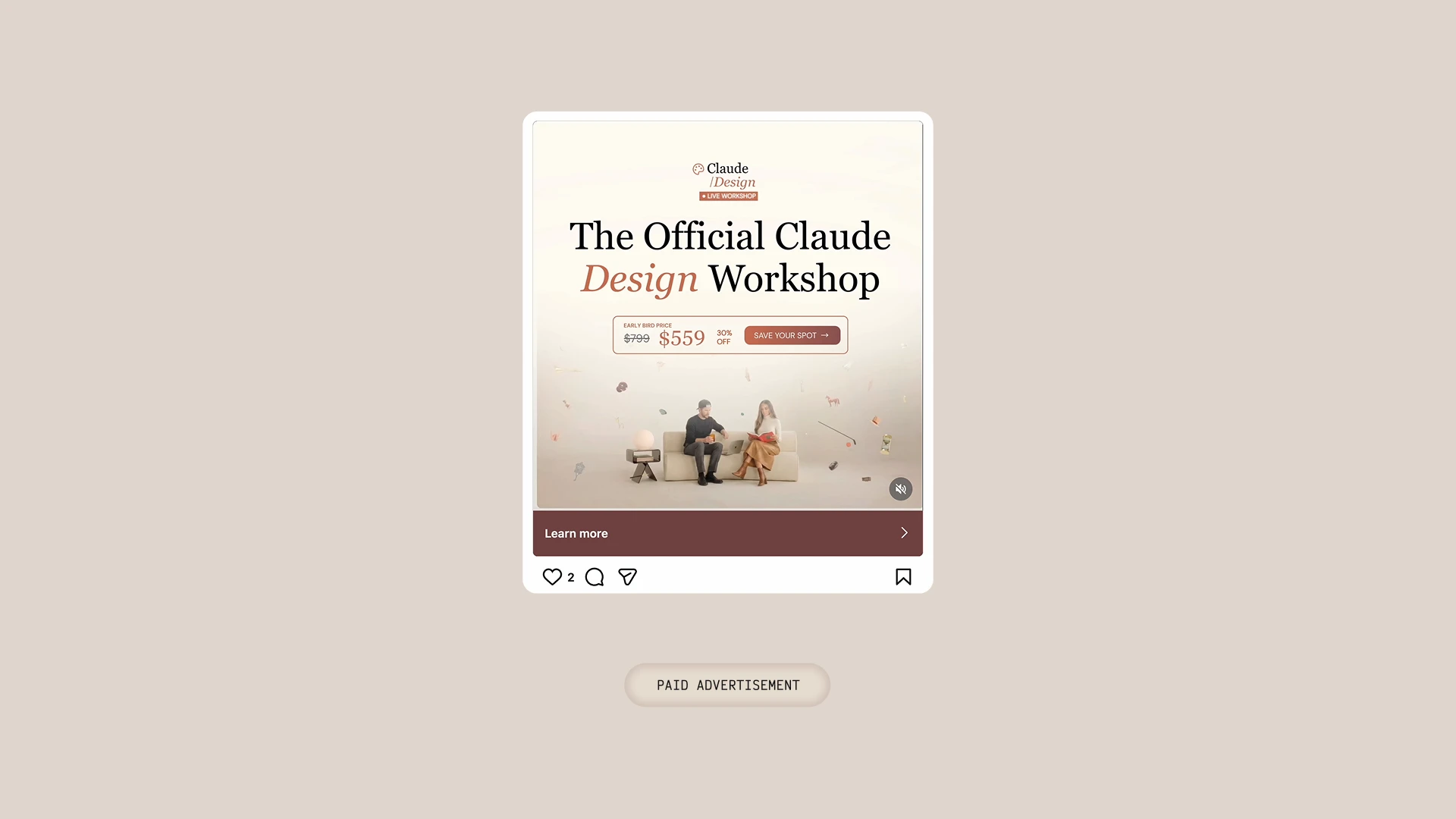
Where we had once been sitting, we had been carefully replaced by a man and a woman I didn't recognize. The framing was the same. The composition was the same. Even the furniture, objects and environment mirrored our original scene. My brain genuinely struggled to process what I was looking at.
It was a paid advertisement for an AI design workshop, created by another creative agency.
I don’t think words alone can fully capture how blatant the replication was, so instead, look for yourself and draw your own conclusions.
Just a few months earlier, we had launched a complete rebrand of our own agency. LOLO may have been newly reborn, but the studio behind it has existed for more than twenty years. The new identity represented an enormous amount of thought, care and energy from the people who made it.
A huge part of that identity lived in the photography and video created for the site.
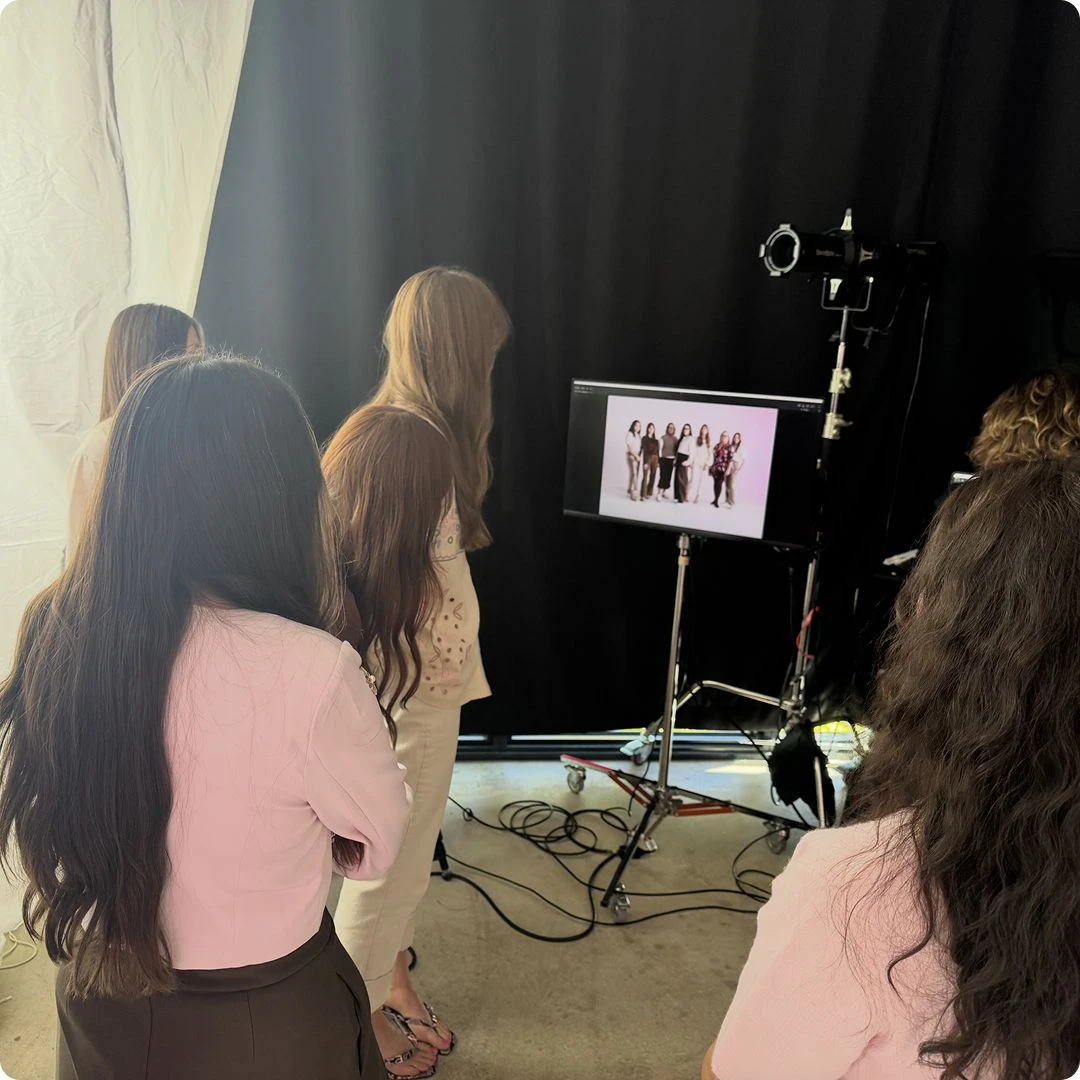
We conceptualized the ideas together, sourced furniture and props from our homes and local shops, styled every scene by hand and spent weeks refining the details before bringing everything to life in a single production day. Then came colour work, editing and post-production. What appeared effortless on screen had required an enormous amount of human labour, collaboration and intention.
The Instagram ad eventually led us to a landing page selling a half-day AI design workshop for hundreds of dollars per person. There, prominently displayed on the page, was a claim that stopped me:
“Taught by the bestselling instructors who designed every element on this page in 45 minutes.”

Forty-five minutes.
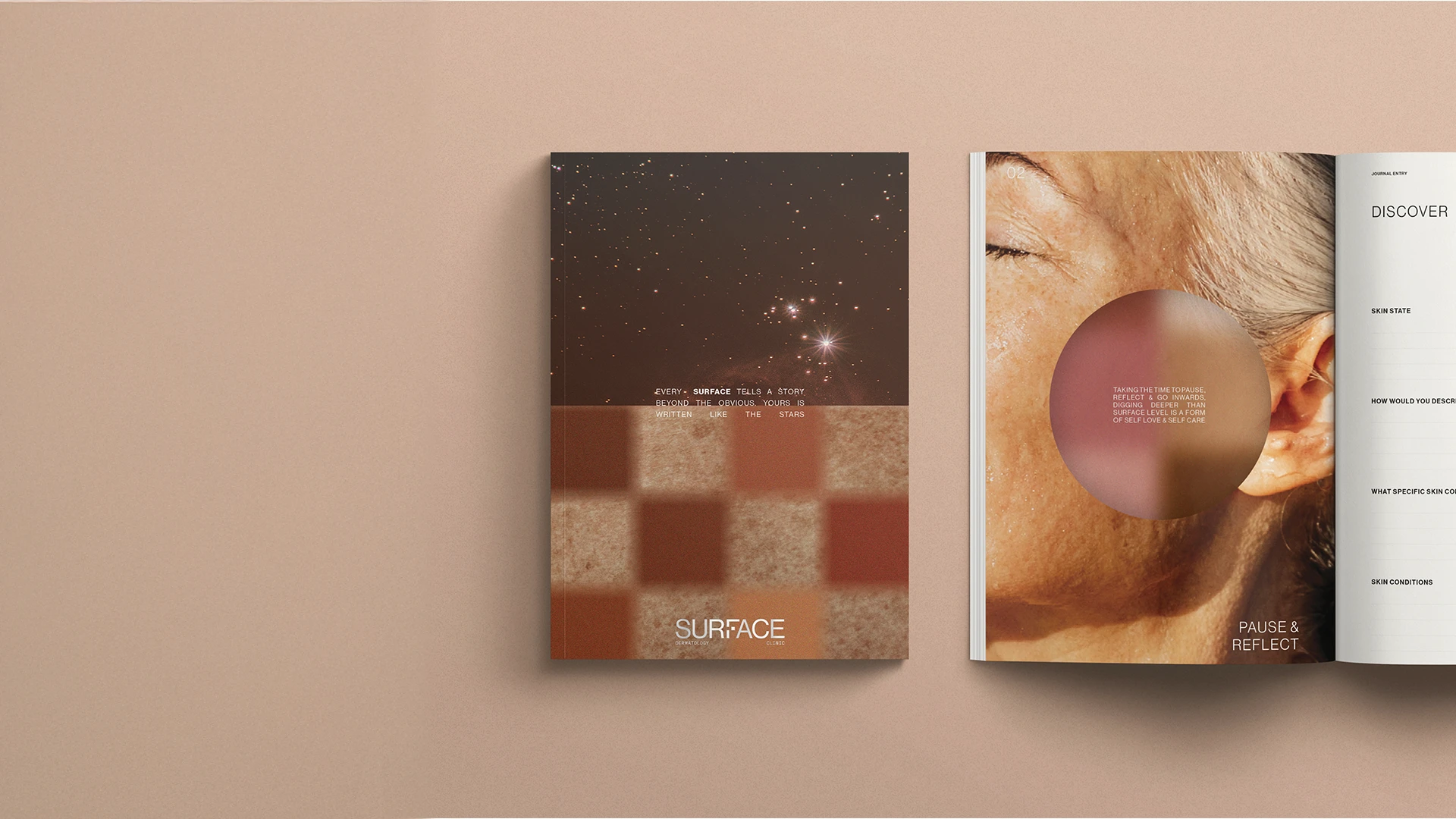
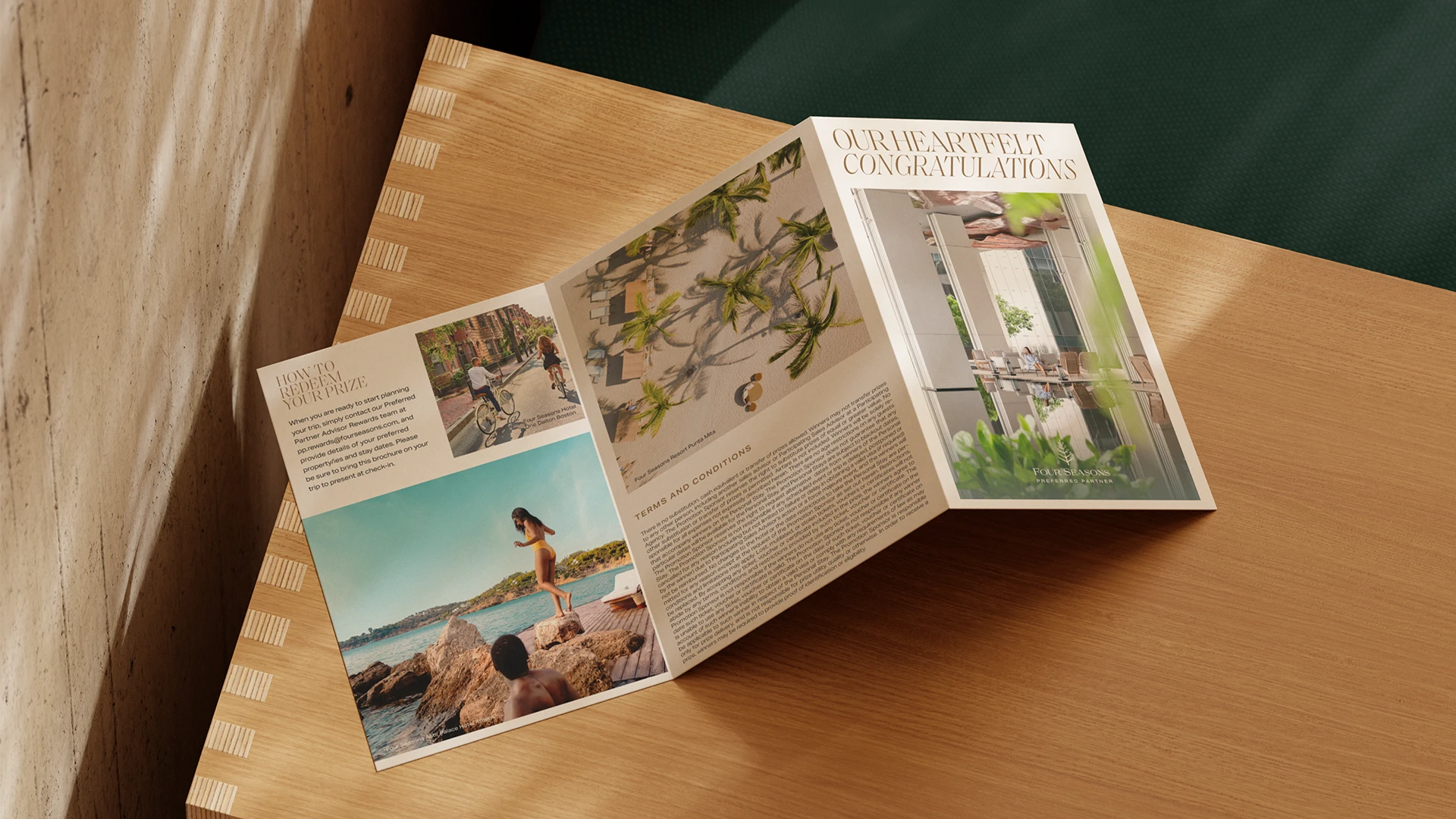
The landing page was crowned by a hero banner unmistakably familiar to us. I couldn't help thinking about the months behind the original: the conversations, references, rehearsals, production, mistakes, adjustments and tiny decisions invisible in the finished image.
Forty-five minutes.
The landing page was crowned by a hero banner unmistakably familiar to us. I couldn't help thinking about the months behind the original: the conversations, references, rehearsals, production, mistakes, adjustments and tiny decisions invisible in the finished image.
My business partners and I decided to contact the agency directly. As shocking as the situation felt, we hoped it was a major mistake or gross oversight rather than something intentional. “Don't assume wrongful intent” is something we often say internally, and we were trying to hold onto that perspective.
We weren't looking for a fight. We wanted the assets removed and some understanding of how our work had ended up there.
The response came a few days later. We were told the designer responsible was a freelancer and that the AI tools used in the process may have crawled or referenced our website to generate a “similar” effect. We were assured the assets would be changed.
By Monday morning, they hadn't been.
Instead, we discovered a second asset near the bottom of the page — another video from our website seemingly reworked into the campaign.
Again, the images speak for themselves.
That was the moment it stopped feeling accidental.
Up until then, we had been trying to believe this was the result of carelessness, outsourcing, or some strange byproduct of AI-assisted workflows. But discovering a second replicated asset after already raising concerns about the first changed things for us.
We consulted legal counsel. A formal cease and desist followed.

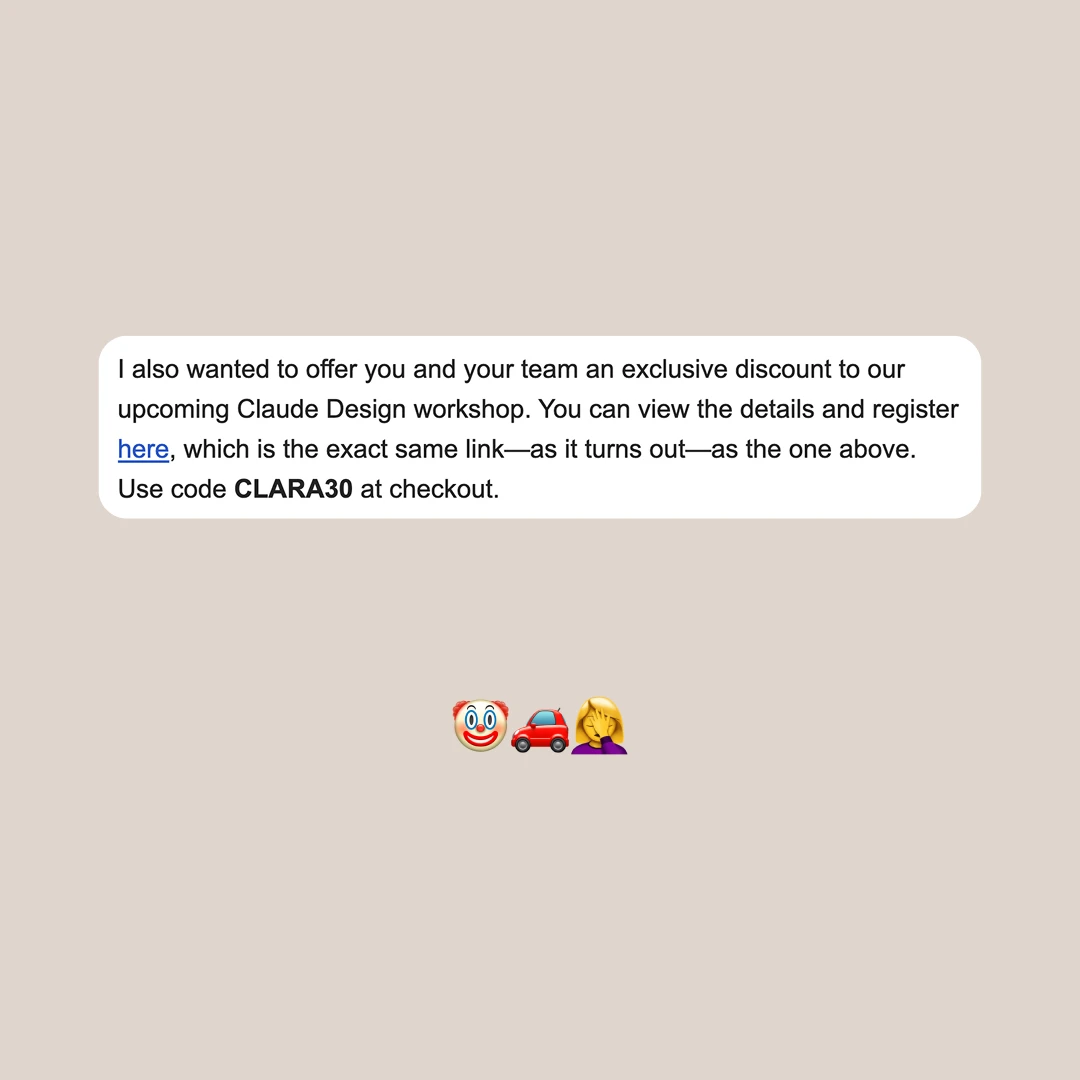
We sought legal advice and eventually issued a formal cease-and-desist. The explanation remained largely the same: the material had been AI-generated, our site may have been used as a reference, and copyright in this emerging space was “murky.”
Then, because every story like this eventually seems to collapse into unintended comedy, came a response I still have trouble recounting with a straight face.
We were informed that some of the imagery had been updated, thanked for helping the agency better align the assets with its own brand and — in what felt almost satirical — our lawyers were offered an exclusive discount code to the very AI workshop that had started the entire situation.
For a moment, the sheer absurdity broke the tension. The whole exchange felt so detached from reality that it bordered on parody — like we had somehow stumbled into a clown car version of a copyright dispute.
How much responsibility can we reasonably outsource to a tool?
I'm not particularly interested in arguing that AI itself was responsible for what happened. Tools don't make decisions about what belongs on a landing page. People do. Someone prompts. Someone selects. Someone edits. Someone approves. Someone publishes.
The technology may be new. Human responsibility isn't.
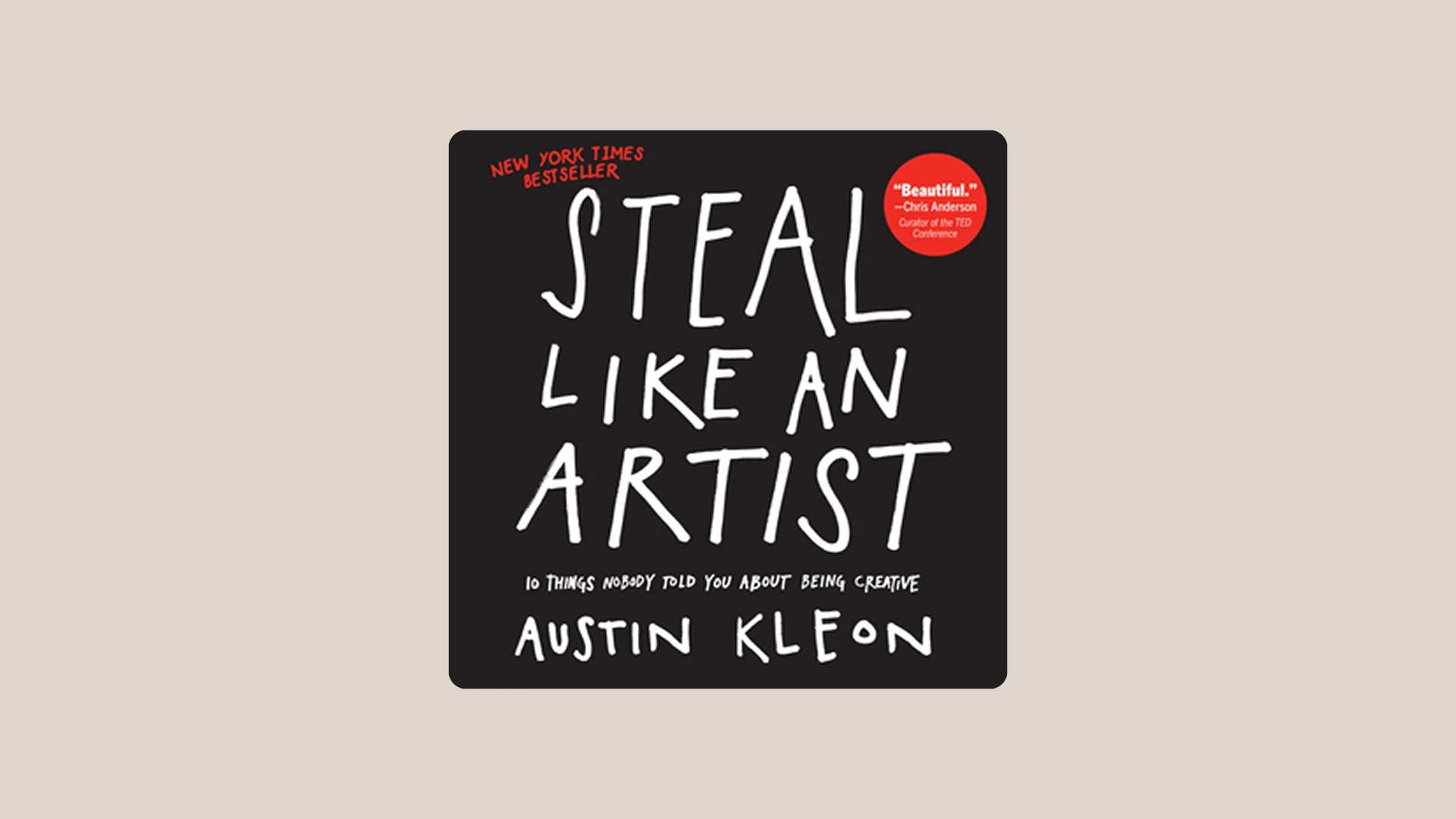
I'm not going to get deeply into the specifics of copyright law, but I do want to touch on a phrase used on the workshop page: “Steal like a designer.”

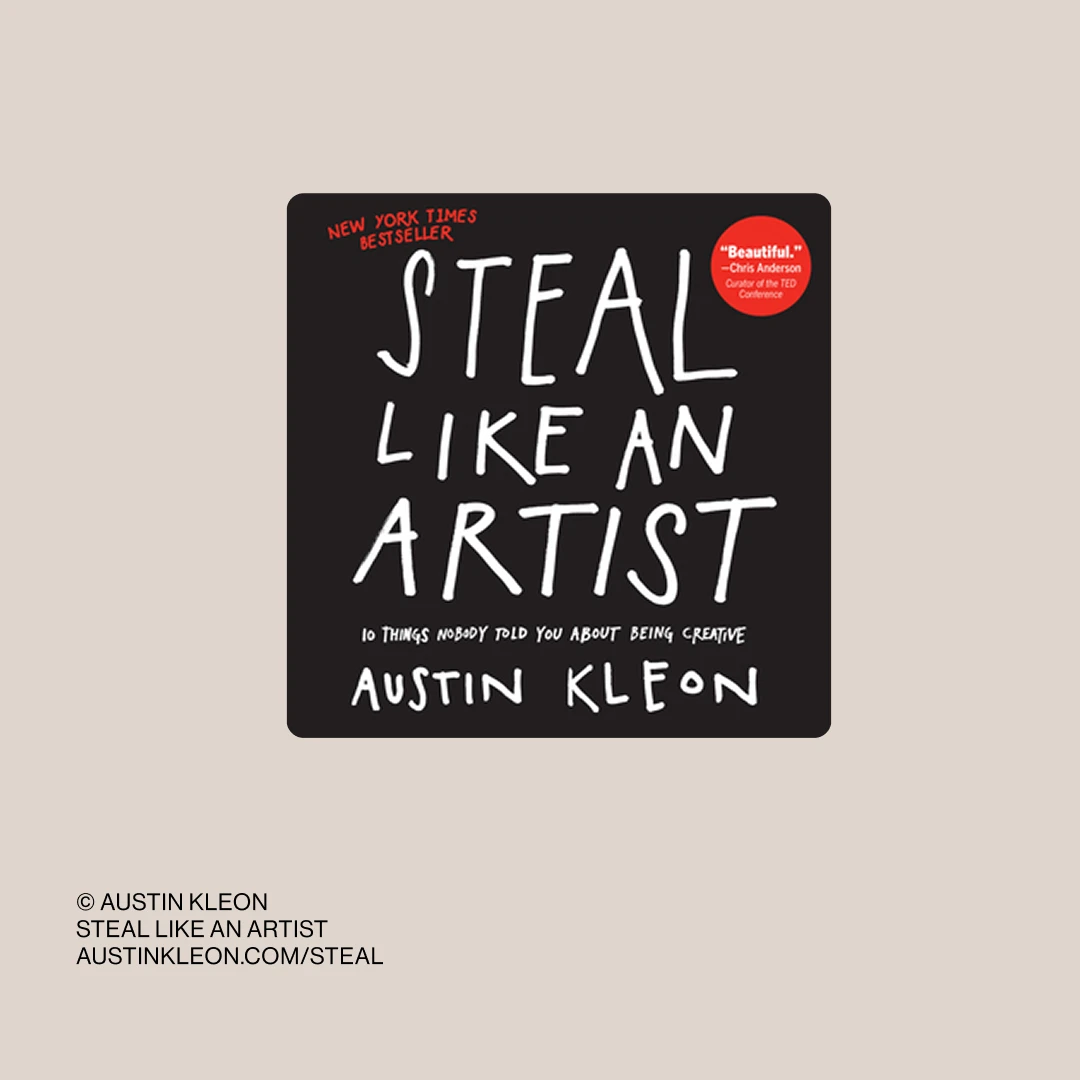

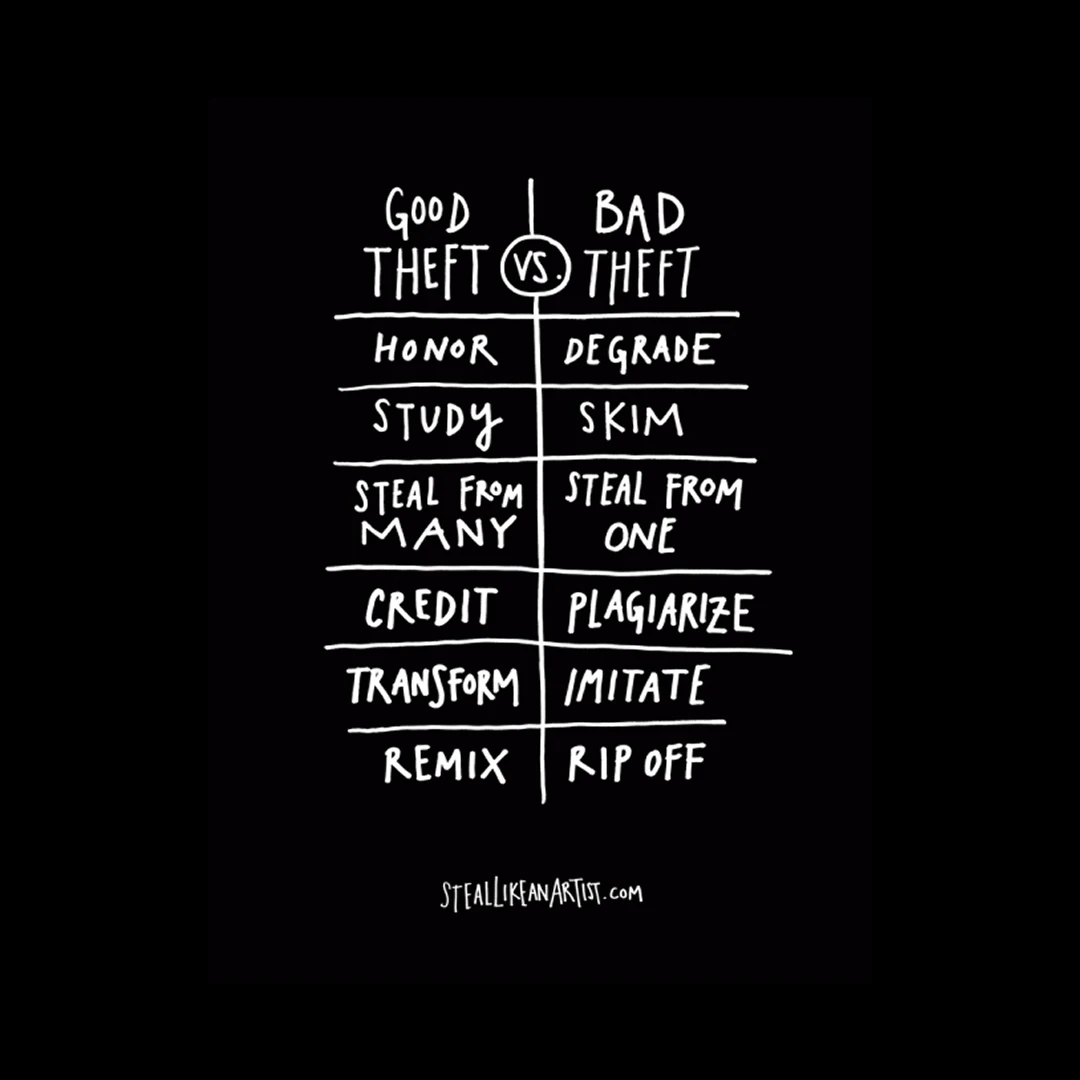
I assume it's a reference to Austin Kleon's 2012 book Steal Like an Artist, whose premise was never an endorsement of literal theft. It was an argument that creativity doesn't exist in a vacuum. Artists absorb references and influences, recombine them, transform them and add something of themselves in the process.
AI has radically compressed the distance between reference and output. We can absorb, imitate, generate and reproduce at a speed that would have been unimaginable when Kleon's book was published. But speed doesn't make the old questions about influence and originality irrelevant. If anything, it makes them more urgent.
And maybe the most uncomfortable reality is that we use these tools too.
We're a creative agency that uses AI too, including in parts of our design exploration and production workflows. That has led to a lot of conversations internally, and with our clients, about prompting, references, attribution, originality and appropriate use. We're figuring it out in real time, like everyone else.
But the legal back-and-forth wasn't really the point. Neither were the emails. Or even the copying itself.
It was the strange emotional dissonance of watching something that had required so much human care and labour become flattened into something instantly reproducible — stripped of the process that had given it meaning in the first place.
It isn't about one landing page, one workshop or one dispute anymore. It's about a creative industry gaining extraordinarily powerful tools faster than we're developing a shared understanding of how we want to use them.
If thousands of creatives are now rushing to learn these tools — and clearly, we are — then we also have a responsibility to teach people how to use them with care.
Not just how to generate faster.
Not just how to reproduce an aesthetic.
Not just how to “steal like a designer.”
But how to engage with these tools without losing the human judgement, originality and ethical responsibility that creative work has always depended on.
Artists have always referenced one another. That's how culture evolves. But meaningful creative influence still requires transformation, perspective, taste, and respect for the people whose work came before you.
Otherwise, what we risk building isn't a more innovative creative future.
It's a more hollow one.