









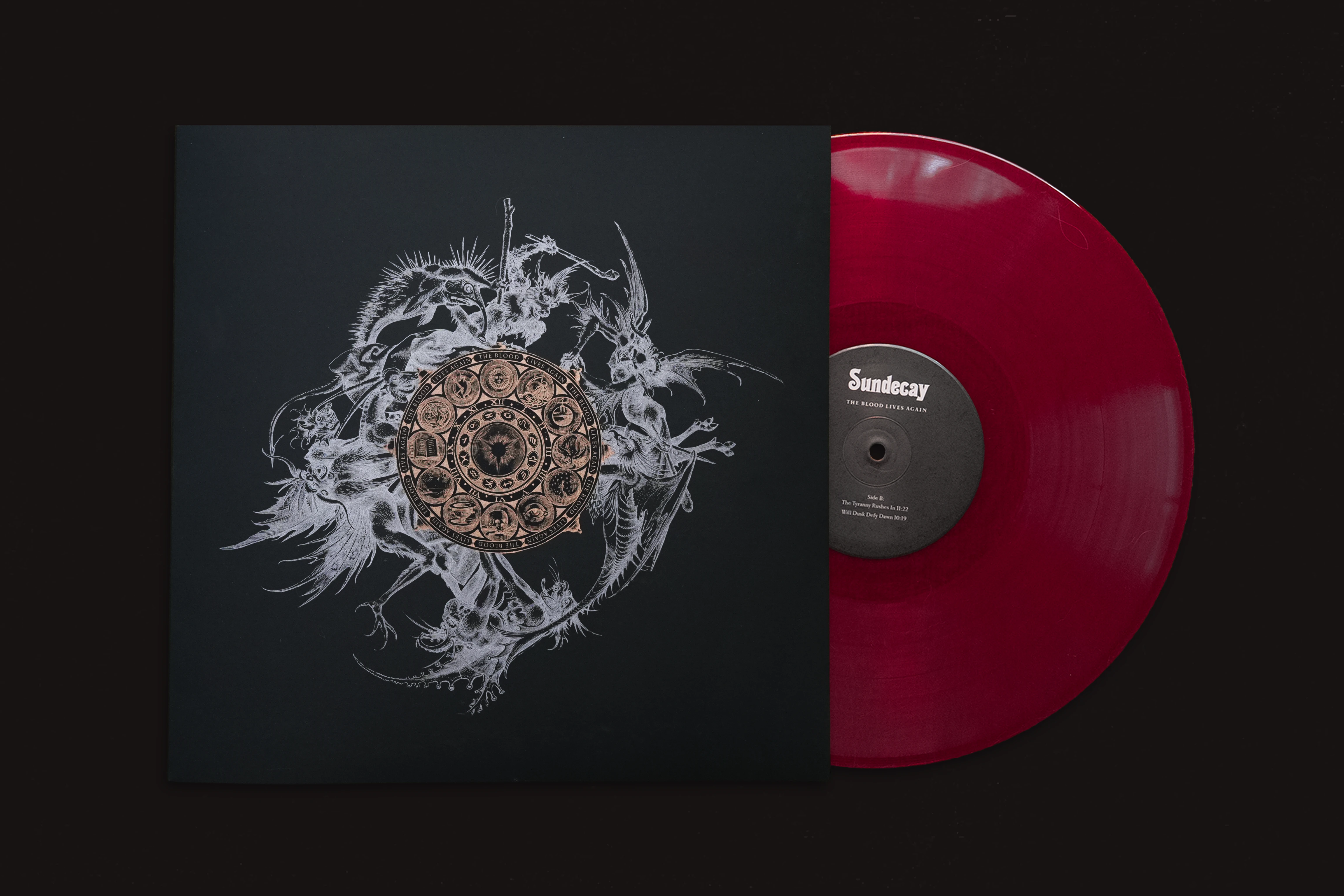

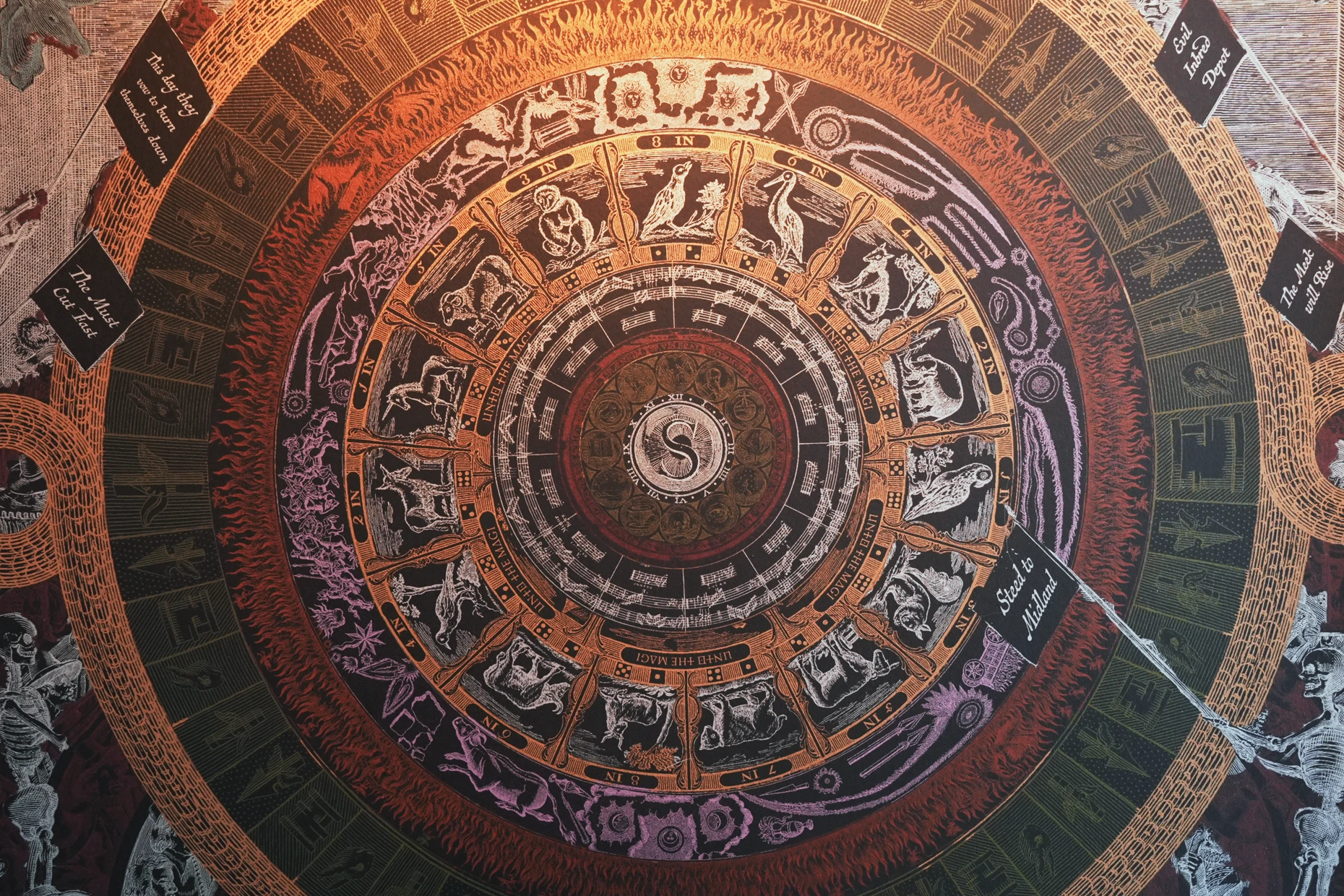
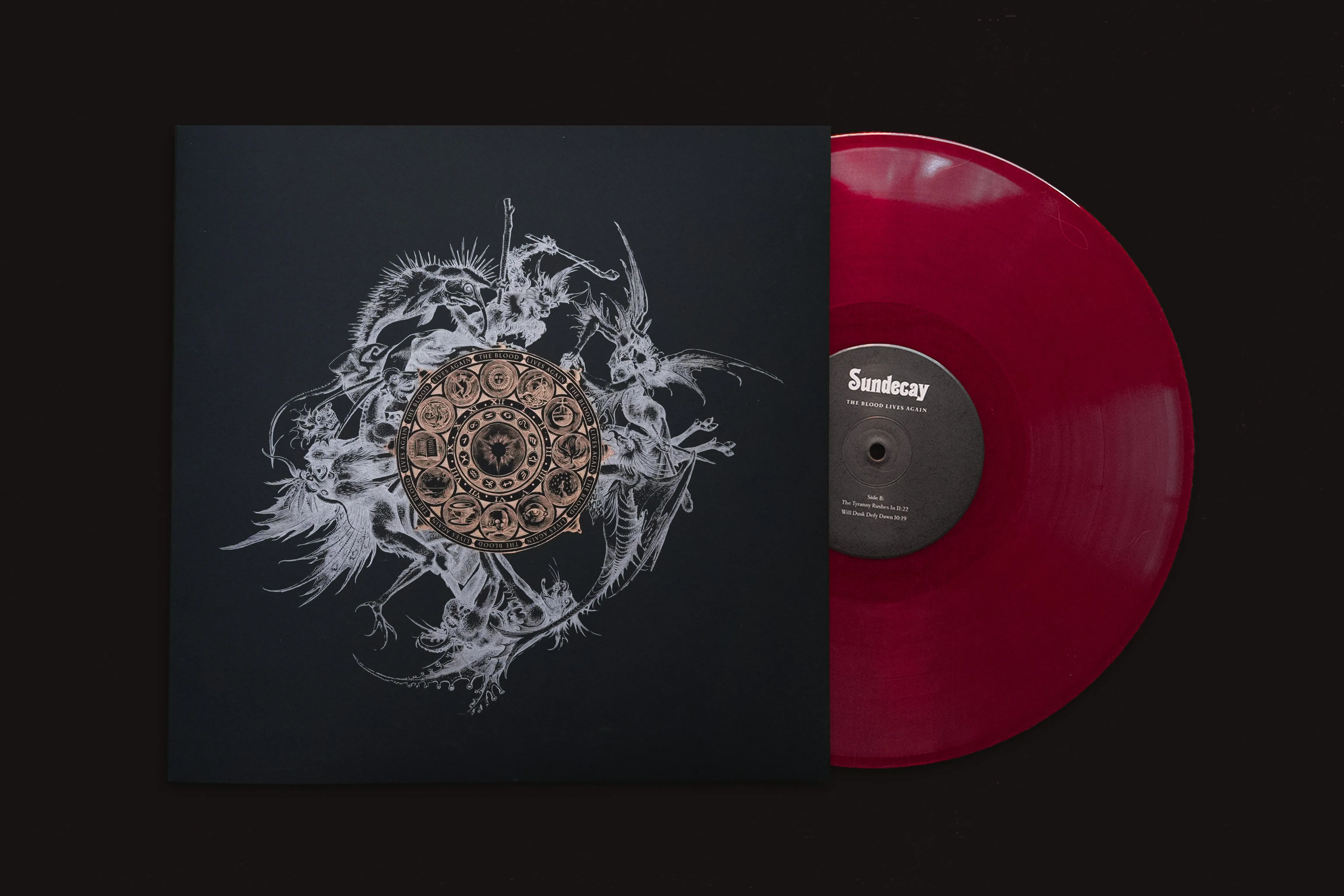
Building a Doom Metal Relic
A vinyl package inspired by an impossible book, built alongside one of Toronto's most respected printers.

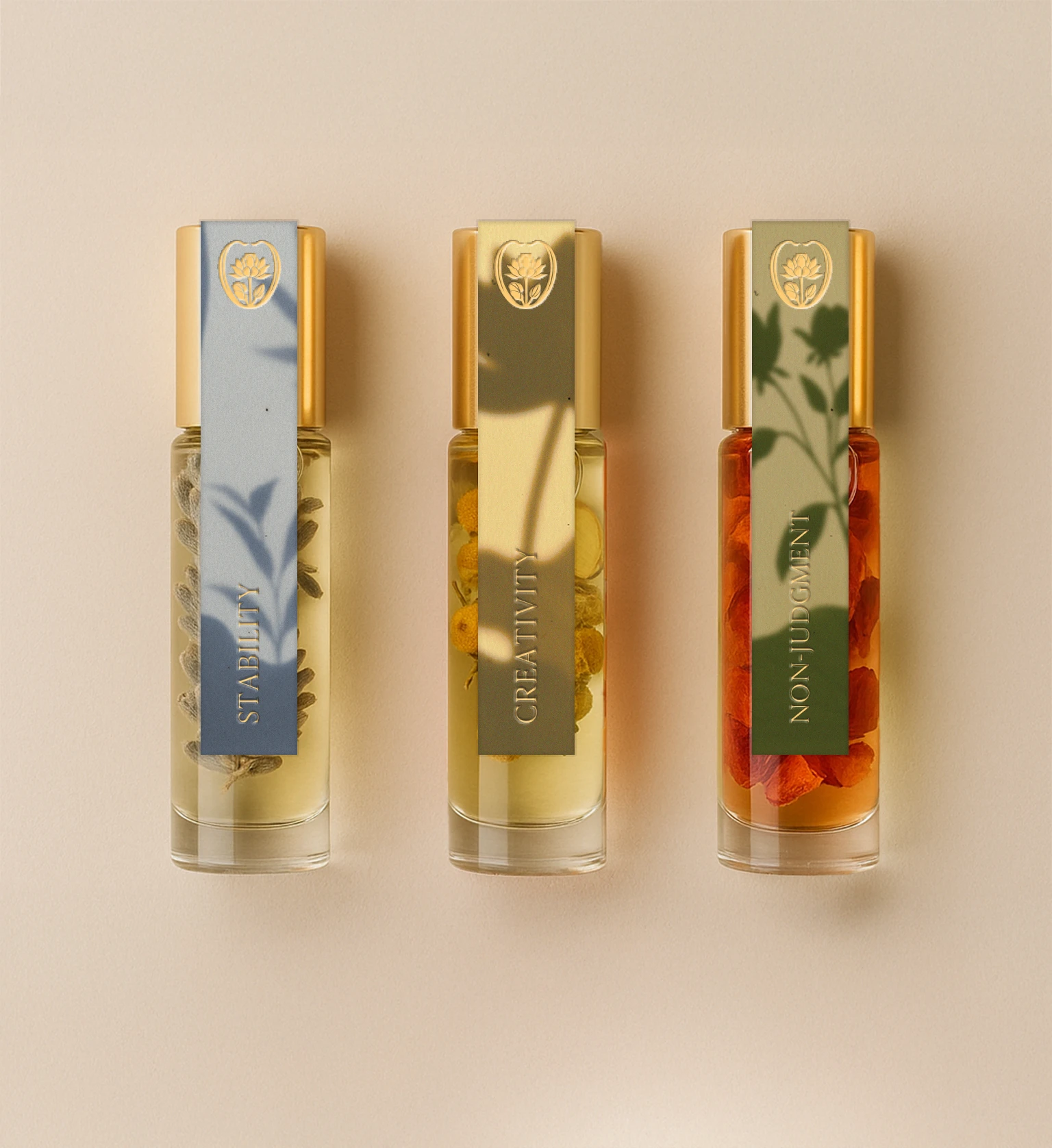
Designing an Entire Resort Experience
Designing an Entire Resort Experience
Designing an Entire Resort Experience
How do you redesign an entire luxury resort experience?
How do you redesign an entire luxury resort experience?
How do you redesign an entire luxury resort experience?
Several years before the album was released, Rich Paupit walked into our studio carrying a copy of Codex Seraphinianus.
For those unfamiliar, Luigi Serafini's cult classic is an encyclopedia of an imaginary world. It contains hundreds of pages of illustrations, diagrams, creatures, symbols, and texts written in a language that nobody can read because it was never meant to be read. The book appears to contain answers. It doesn't.

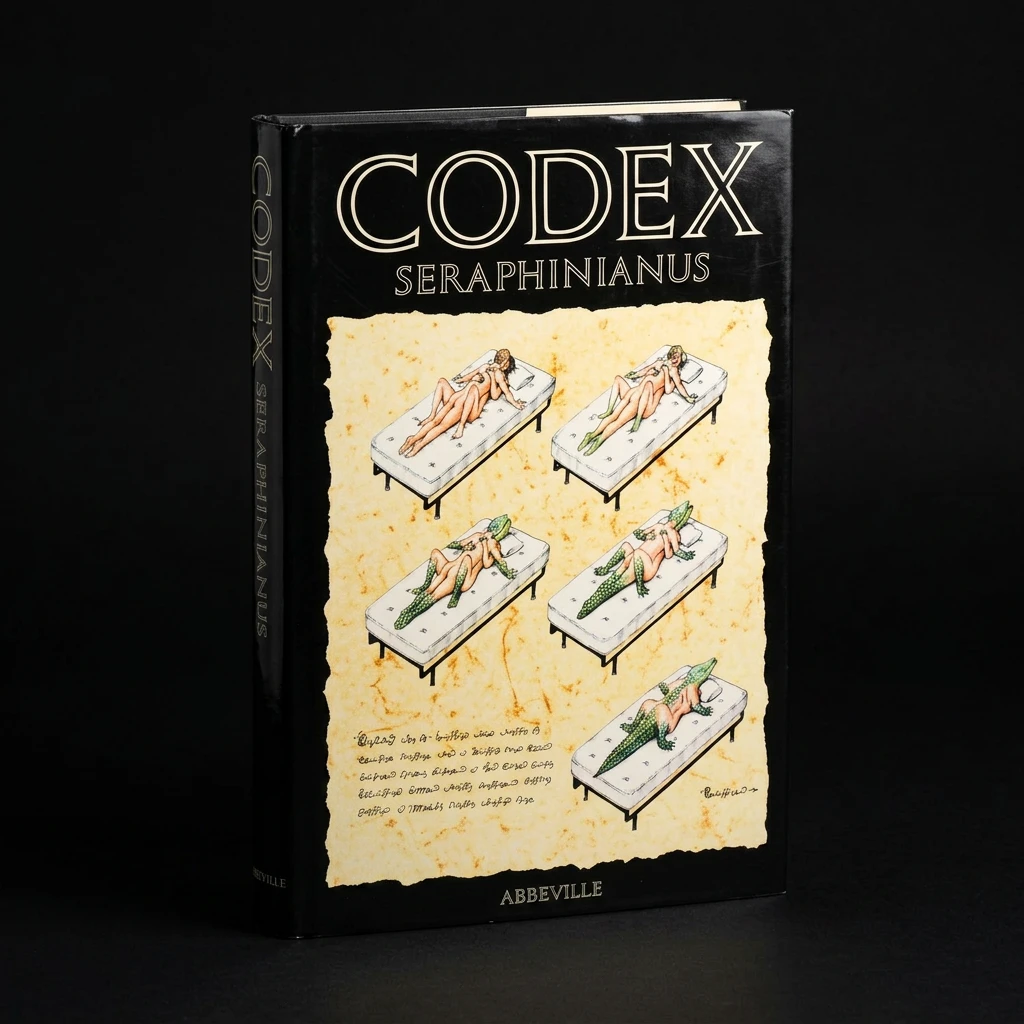

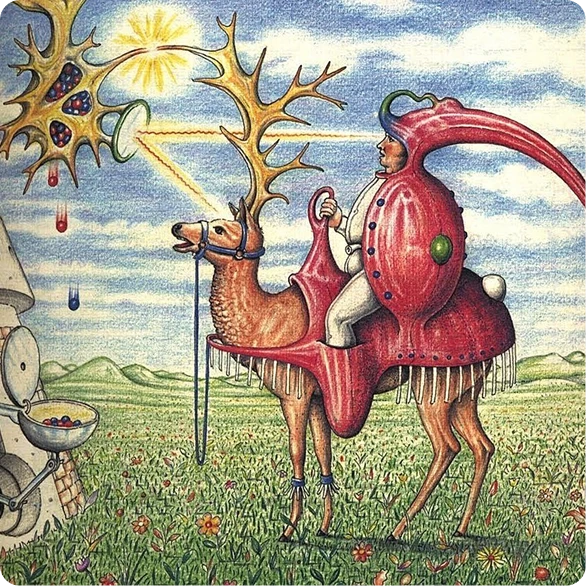
Source: Codex Seraphinianus (Luigi Serafini).
This was the brief.
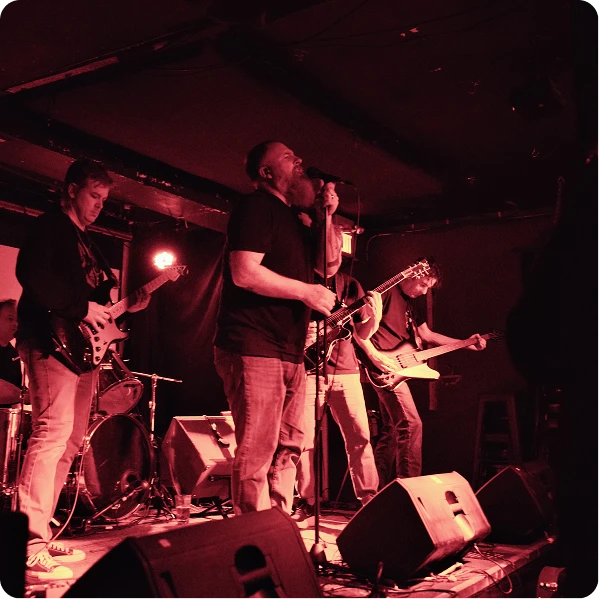
Rich is the owner of Flash Reproductions and the lead singer of Sundecay. For decades, Flash has helped artists, designers, and agencies bring ambitious ideas into the physical world. Most projects involve a client, a designer, and a printer. This one started with all three sitting on the same side of the table.
There were no mood boards. No positioning exercises. No audience personas. Just a shared fascination with a book that seemed to operate according to its own mysterious internal logic.
The connection was hard to ignore.
The best doom metal often functions the same way the Codex does. It communicates through atmosphere rather than explanation. Through mythology, ritual, symbols, and suggestion. Meaning emerges, but never settles into a single interpretation.
Rather than illustrating songs, we set out to build a world around them.


Like the music itself, the package rewards patience.

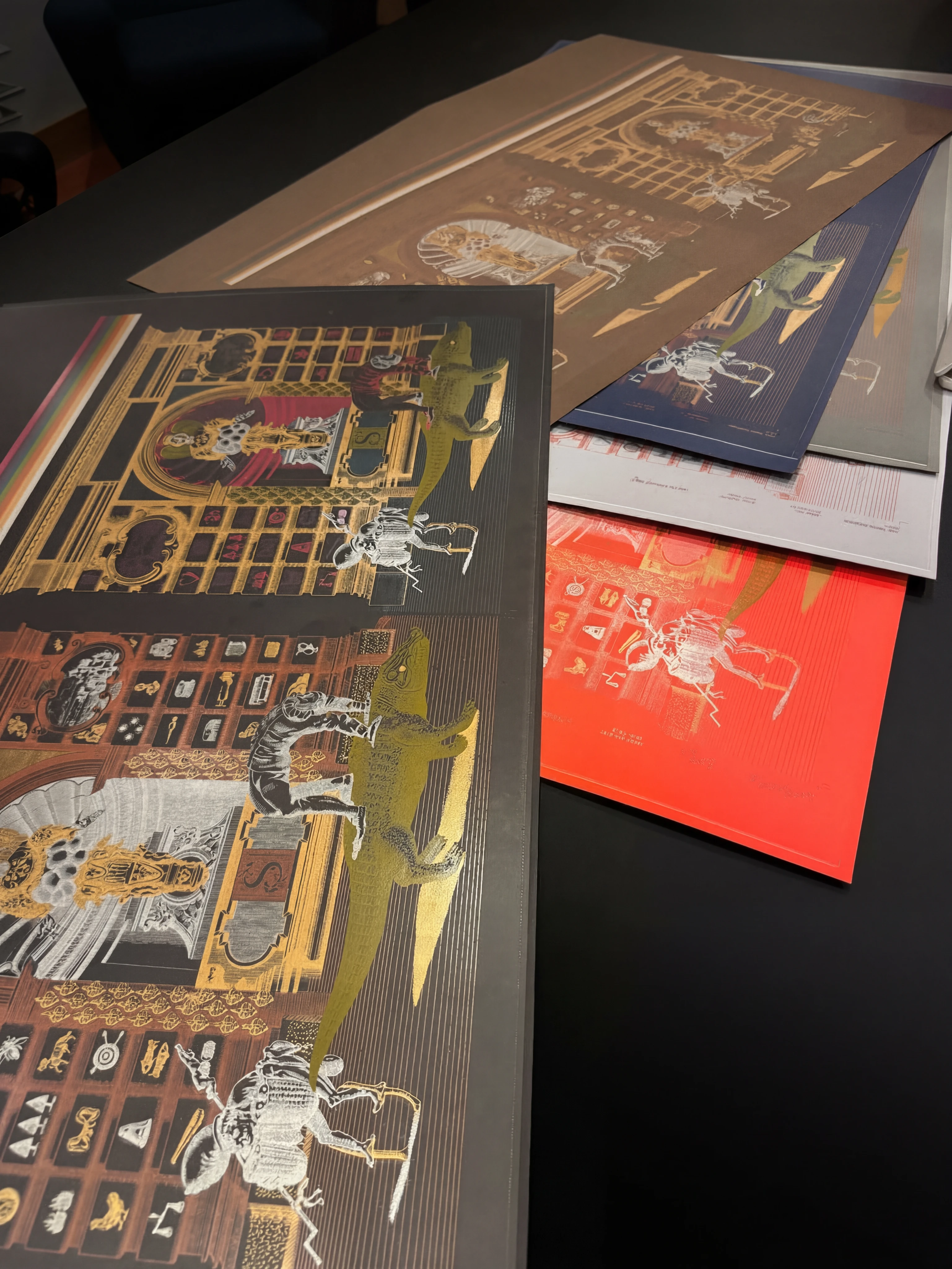

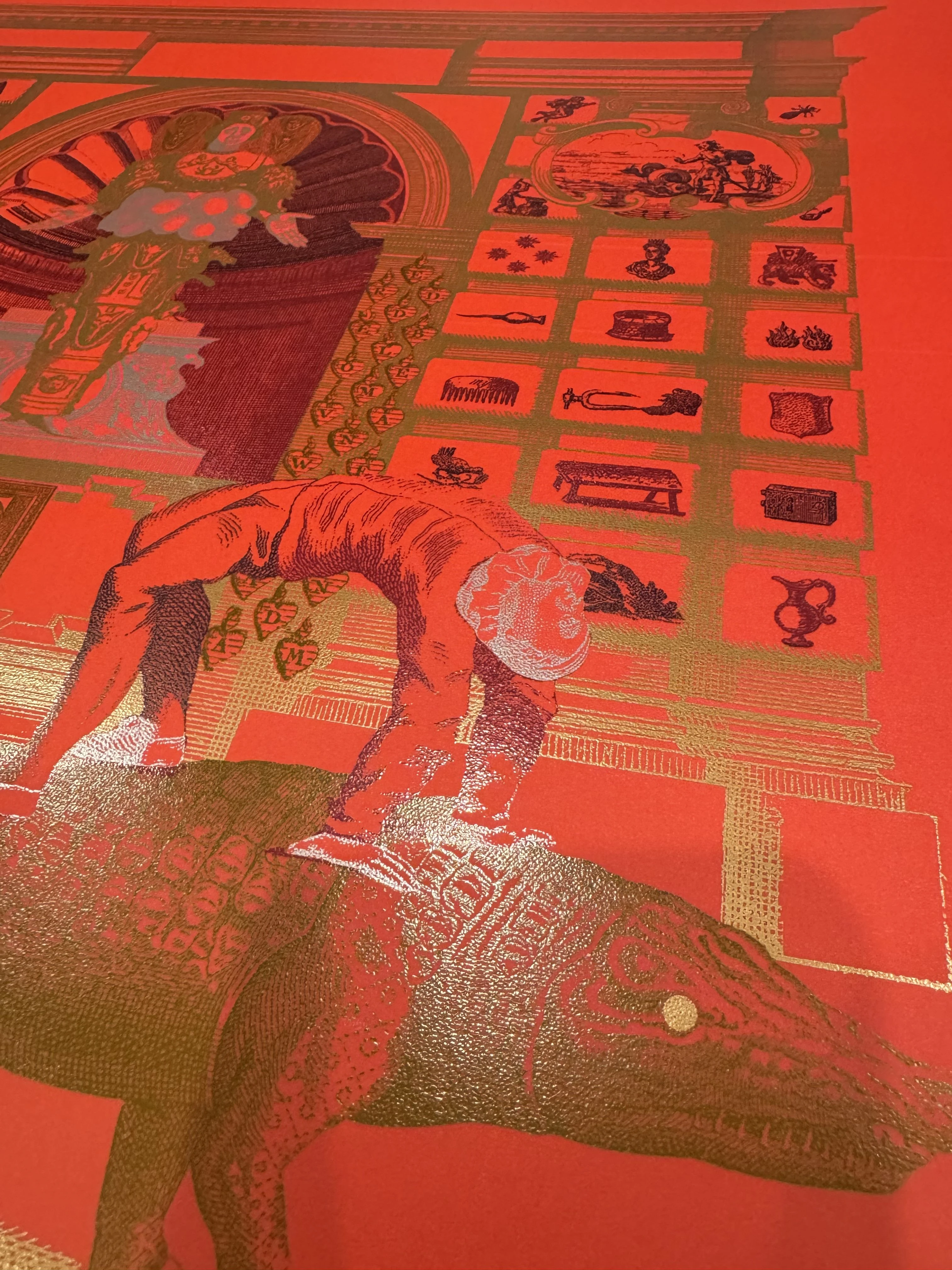
The most interesting part came after the work was finished.
After the album was released, reviewers and fans began carefully dissecting the artwork. Essays appeared online attempting to decode recurring symbols.
Individual illustrations were scrutinized. Hidden meanings were proposed. Entire theories emerged around visual details that had been included simply because they felt right within the world's internal logic.
The funny part was this:
Like Codex Seraphinianus, the work was never meant to be solved. It was built to suggest meaning rather than deliver it. To create the feeling that there was always something more to uncover.
Watching people try to solve it became part of the experience.
That reaction felt like proof the object was doing its job.
In an era when most music exists as a stream, The Blood Lives Again became something increasingly rare: a physical artifact capable of generating its own mythology. Not merely packaging, but an object that extended the experience of the album beyond sound.
Or, to put it another way, a doom metal relic.