












The Palace of Inspiration
A reflection on how designers collect images, ideas, and cultural fragments over time to build a personal archive that shapes creative direction.
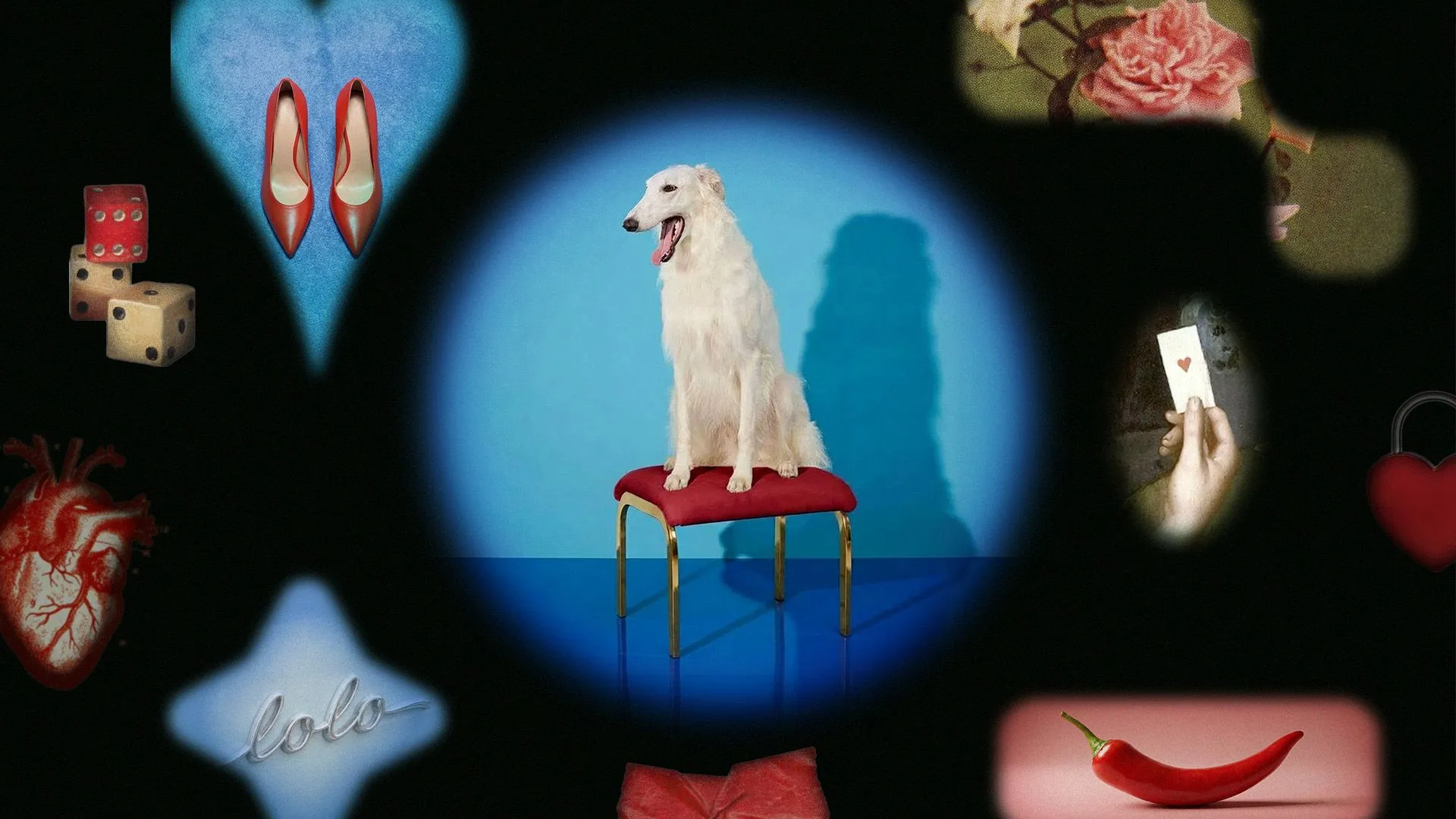
Most designers have experienced the same strange moment: a project begins and suddenly an image saved years earlier becomes exactly the reference you need. A poster from another era, a photograph pinned late at night, a building noticed while wandering through a city. What once felt random reveals its purpose.
This is rarely coincidence. It is the result of something designers build over time—a personal archive of images, ideas, and fragments of visual culture. What I like to think of as a palace of inspiration.



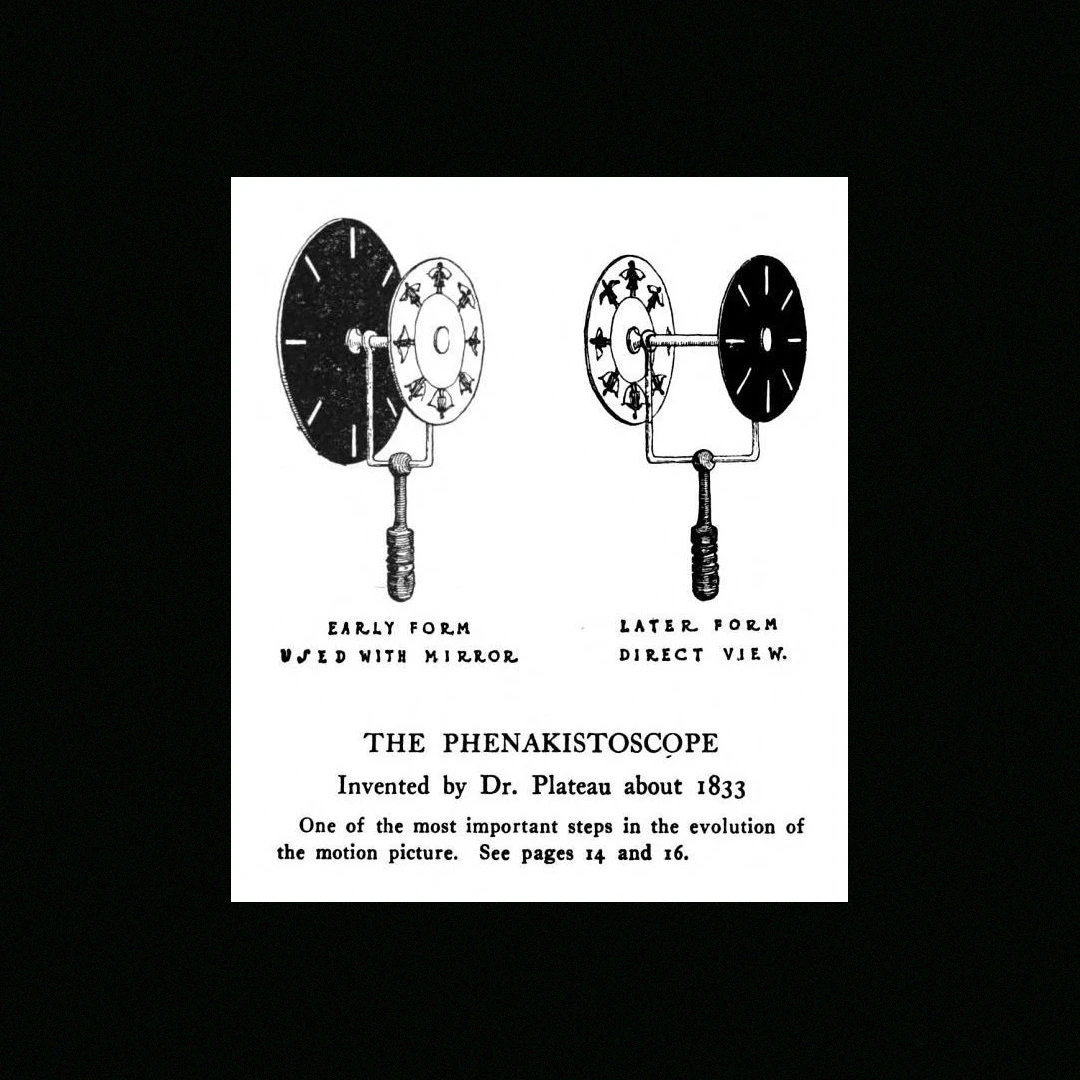
Phenakistoscope, France, circa 1833 FROM the Richard Balzer Collection
Within it lives not only textures, typography, photography, architecture, film stills, packaging, and colour palettes, but also references that are less immediately visible—ways of making, historical techniques, cultural artifacts, and fragments of knowledge gathered along the way. The early mechanics of motion in a phenakistoscope. The study of sun painting and light as a material. Small observations that, at the time, seem obscure or disconnected.
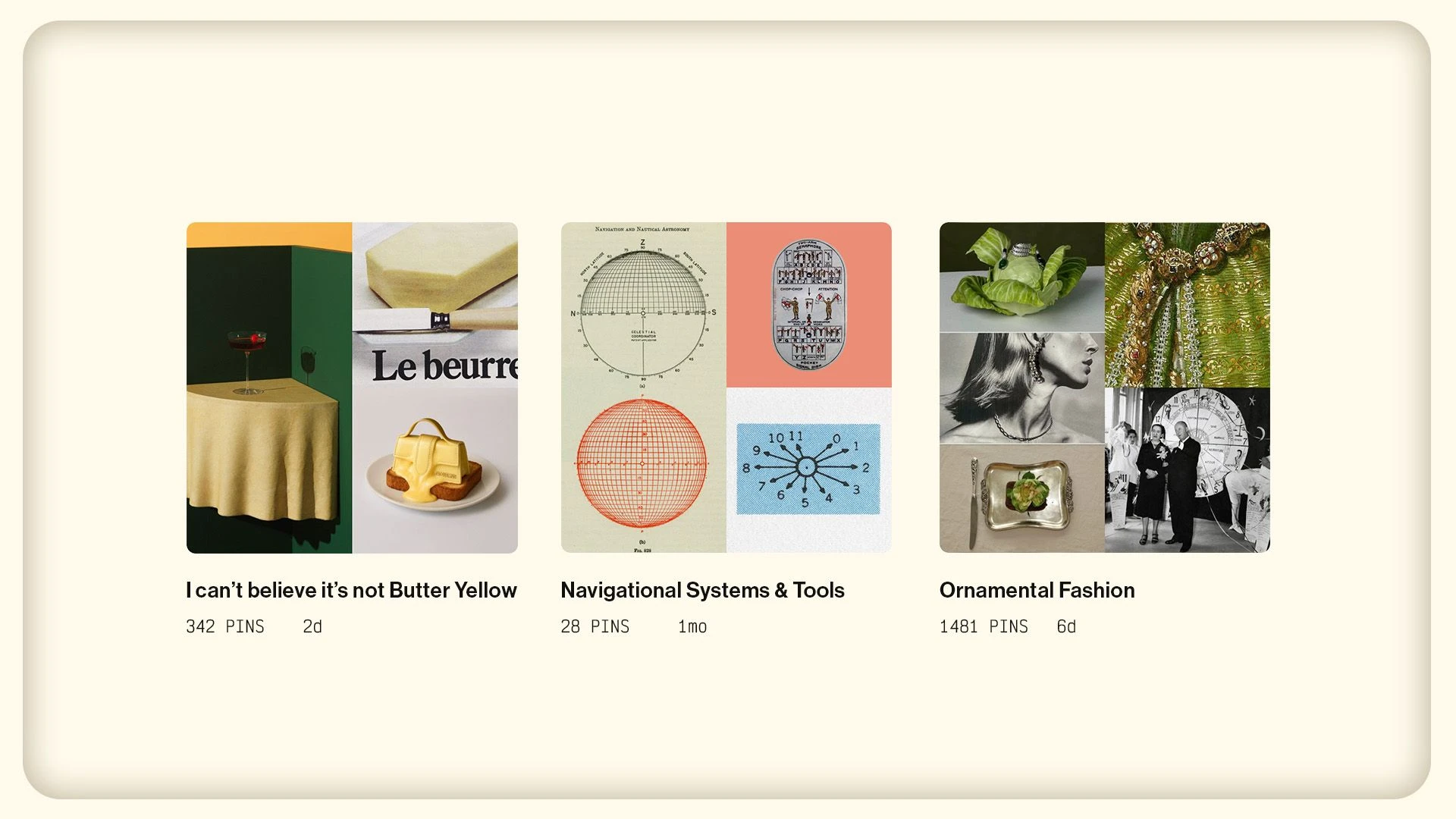
Each becomes a room in that palace. When a new project appears, we wander through those rooms, searching not only for images, but for ideas, atmospheres, and ways of thinking that begin to shape a direction. Tools like Pinterest or Are.na often become part of this process—not as sources of inspiration themselves, but as places where inspiration can wait.

A Memory System for Design
Used intentionally, these platforms become less like social feeds and more like personal visual archives. Each reference becomes another artifact placed inside your palace of inspiration, forming a map of the visual worlds that resonate with you.
Often the most valuable references are the ones that resist explanation—images, ideas, or facts that simply feel interesting. Months, or even years later, those same references may suddenly become relevant to a brief, a brand, or a moment of creative direction.
Some of the richest inspiration comes from outside the design world entirely—from architecture, film, fashion, objects, and cultural practices. A fashion collection that speaks to an alchemists' desire to turn mundane metals into precious gold . The navigational systems and tools of sailors. A hallmark stamped into metal, certifying origin and composition. Each carries with it a lineage of ideas, a context that informs how something is made, used, and understood.


When the Project Arrives
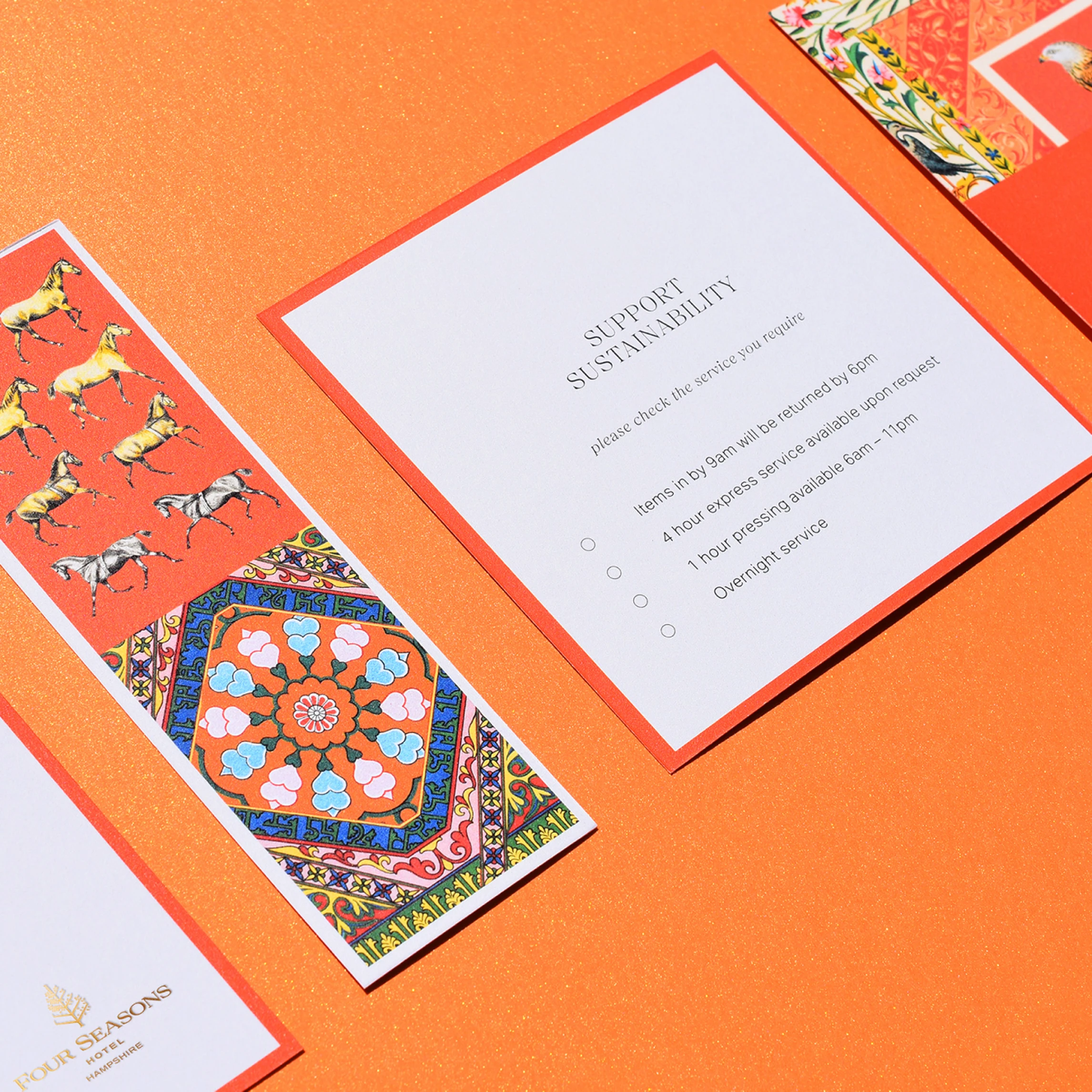
When a project finally begins, the palace reveals its value. Instead of searching endlessly for references, we return to rooms we have been patiently building for years. Images begin to align, ideas surface, a palette appears, and a mood begins to take shape
The Ideas We Keep Shapes What Comes Next